Add alternate_emails prop to OIDC userinfo#5442
Conversation


**Why**: So that if SPs have users with multiple email addresses, they can access those email addresses
 jmhooper
changed the title
jmhooper
changed the title
alternate_email prop to OIDC userinfoalternate_emails prop to OIDC userinfo

|
For the consent screen, I might worry that it's easy to miss there being multiple emails shared, given the singular "Email address" label and single line of comma-separated emails. It might be helped with a pluralized "Email addresses" and/or one-email-per-line, though I think it'd be good to get UX weigh-in. |

|
I've added a new scope for the alternate email addresses. I'm thinking through how that should work in the UI for consent. I'm thinking that we should show all email addresses regardless of which of the scopes is requested. My reasoning here is that any of the email addresses could be shared with the partner even if they aren't in that session. Does that make sense? I think the other alternative is to split them out into 2 categories. Something like "Email address you sign in with" and "Other email addresses on your account". The "Other email addresses on your account" field would require an empty state. |

I also realized that having a separate scope means this is easier to apply to SAML, it's just another attribute
I'm imagining this is like a new attribute, so when only the existing email is requested we show that default email (maybe label it as "current email"). Only when additional emails are requested do we show a second line for "additional email addresses" and show the full list there |
|
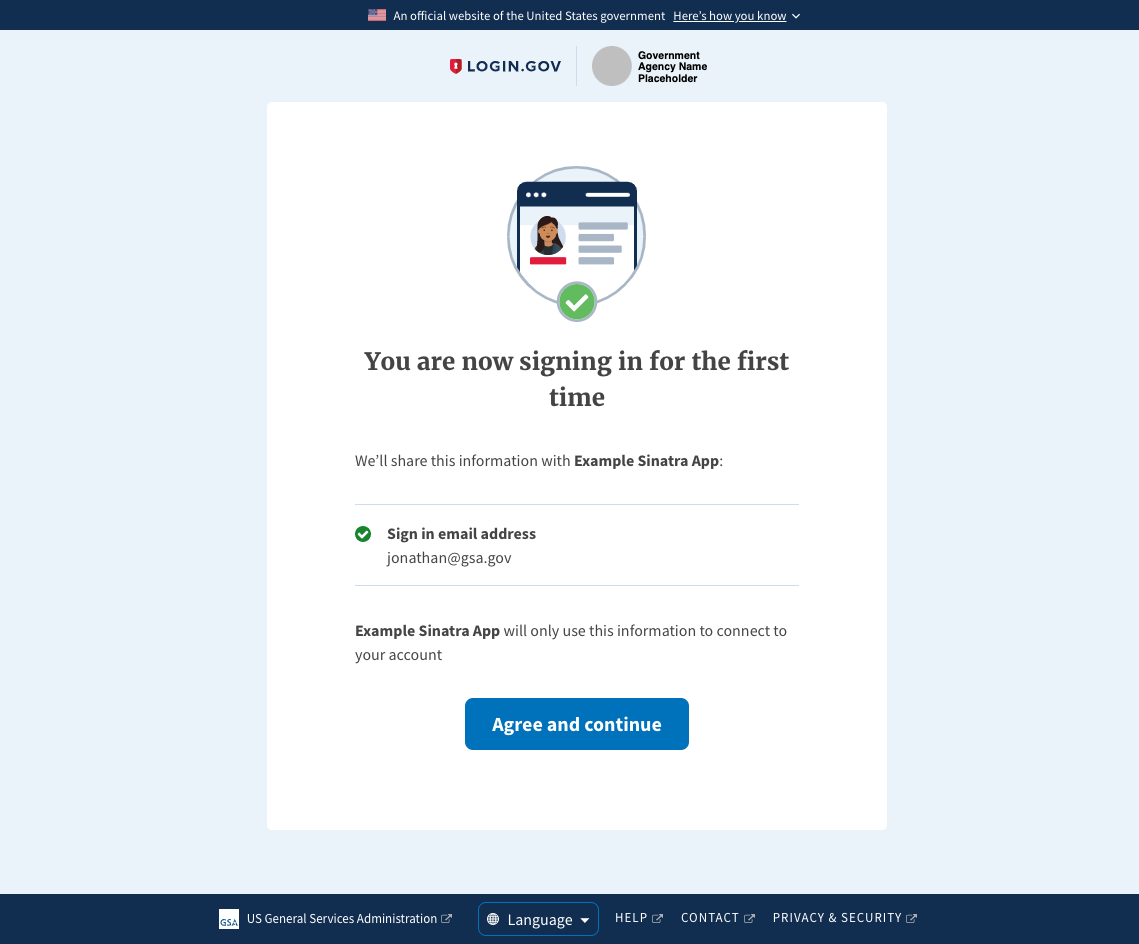
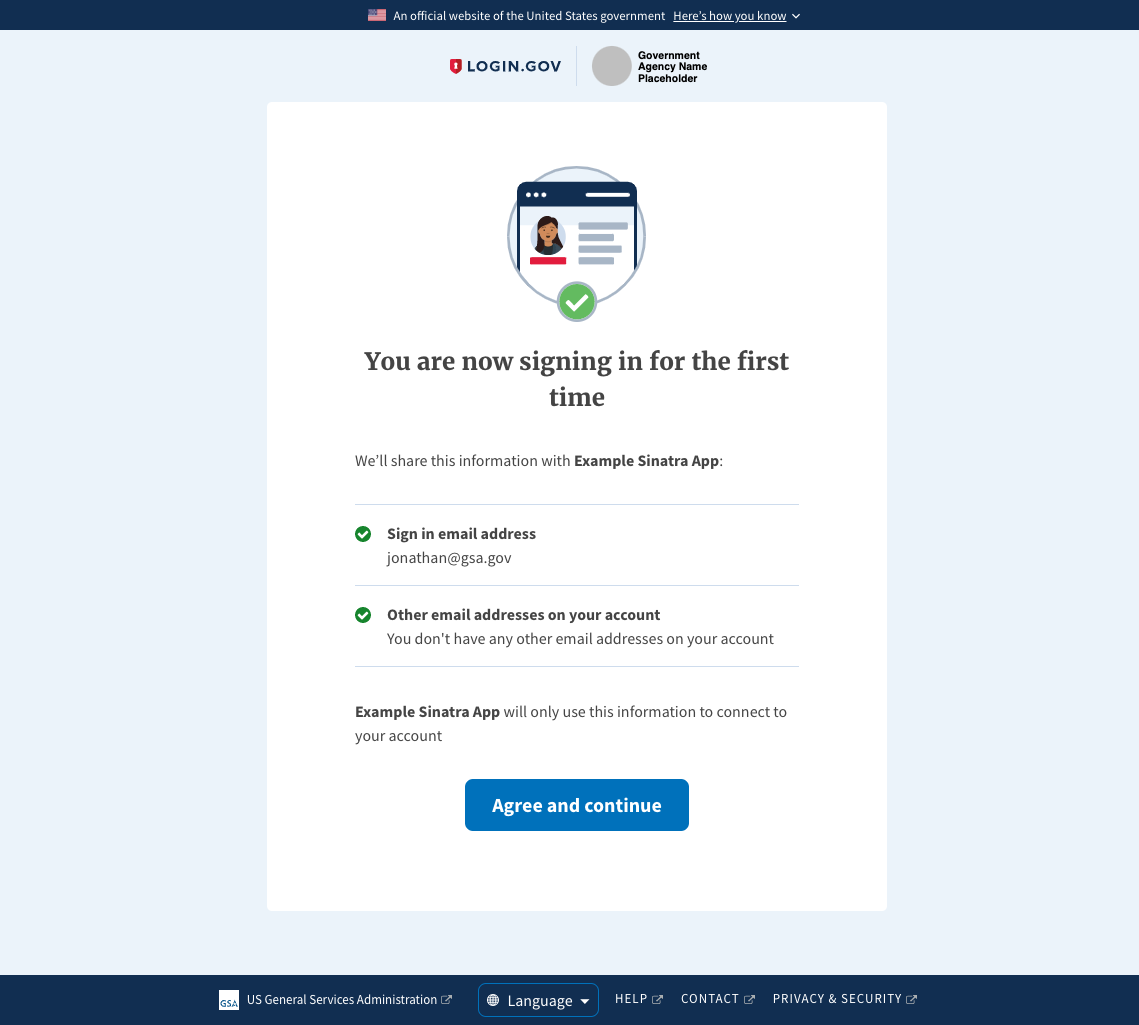
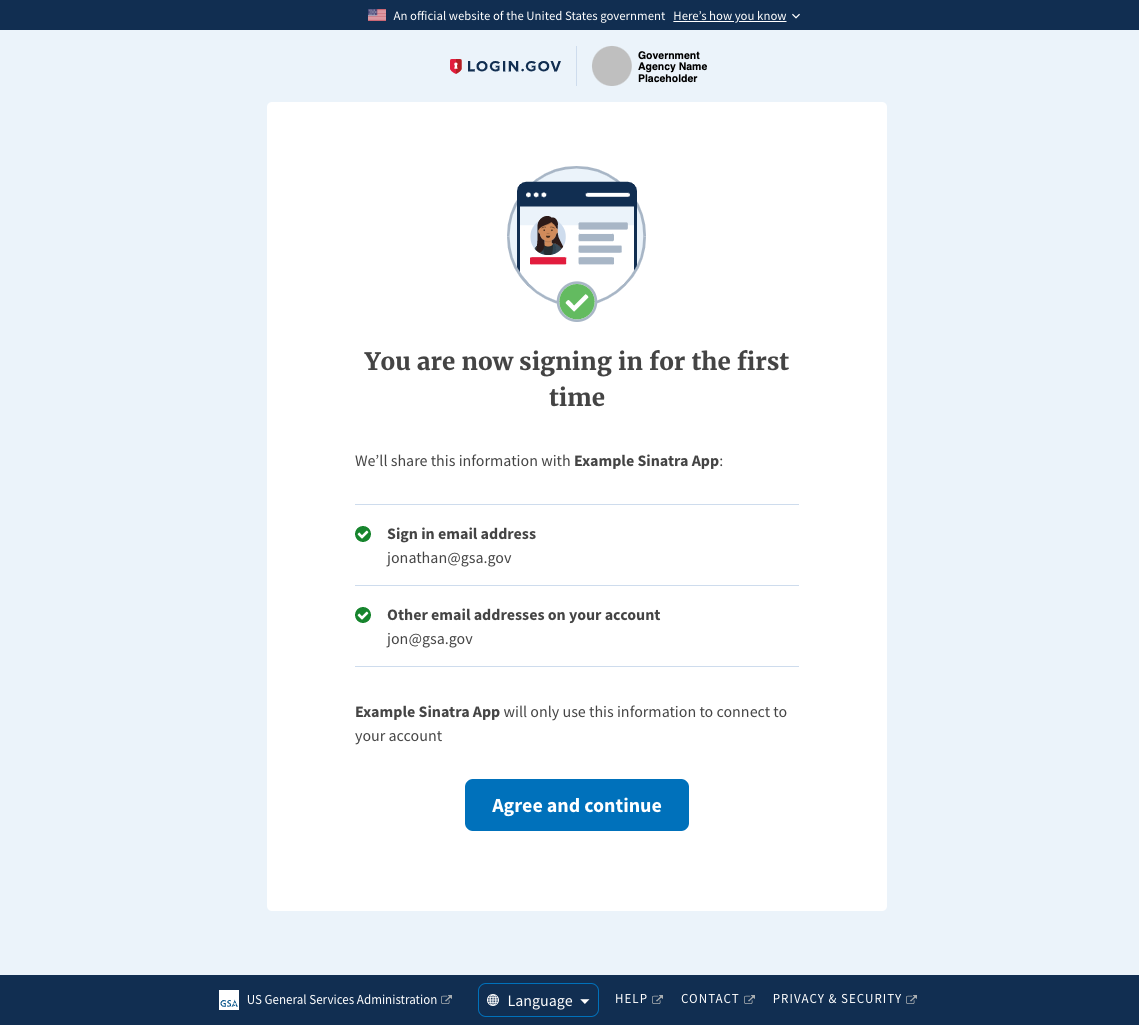
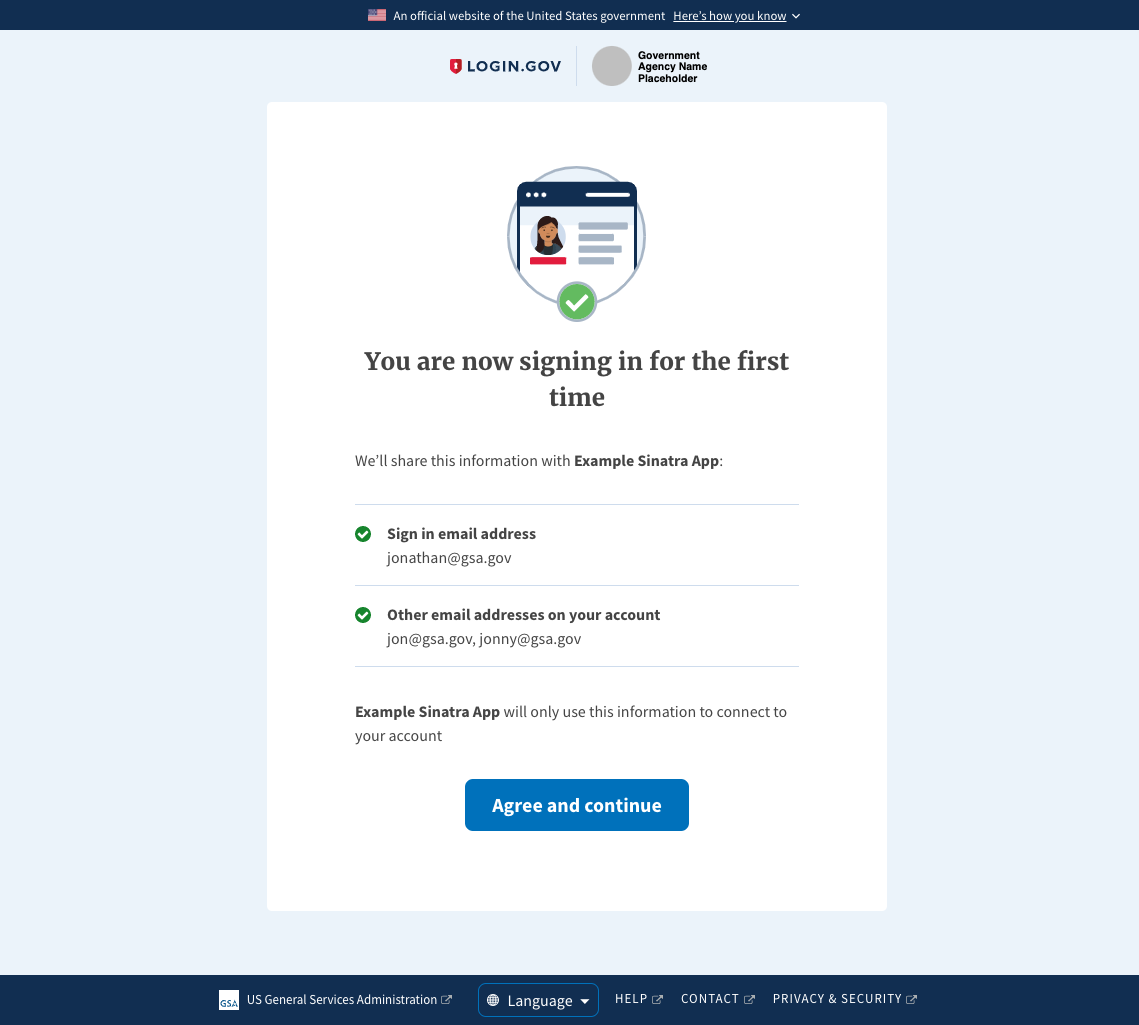
Okay, I've gone ahead and thrown together a UI that we can start cleaning up. Here is what it like in a few cases. I still need to go through and add some tests for the behavior. Here is signing in without the alternate_emails scope: Here is signing in with the scope, but no other email addresses: Here is what it looks like with a single other email address: Here is what it looks like with more than 2 email addresses: |
yes! love it |

|
Met up with @anniehirshman-gsa and went over this. Here is the feedback I got:
And reminder: We still need to consider what happens when information and how consent works there. |

| sorted_attributes = sorted_attribute_mapping.map do |raw_attribute, display_attribute| | ||
| display_attribute if (requested_attributes & raw_attribute).present? | ||
| end.compact | ||
| # If the SP requests all emails, there is no reason to show them the sign |
There was a problem hiding this comment.
Need to add a test for this behavior
|
Okay, I've got some UI updates incorporating @anniehirshman-gsa's and @zachmargolis's feedback. Here is what it looks like if the SP requests just the sign in email. No changes here: Here is what it looks like if the SP requests all email addresses: Here is what it looks like if the SP requests all email addresses and there is only 1 email address: Finally, no need for an empty state since we changed the attribute to "all emails" instead of "all emails that aren't the sign in one". |
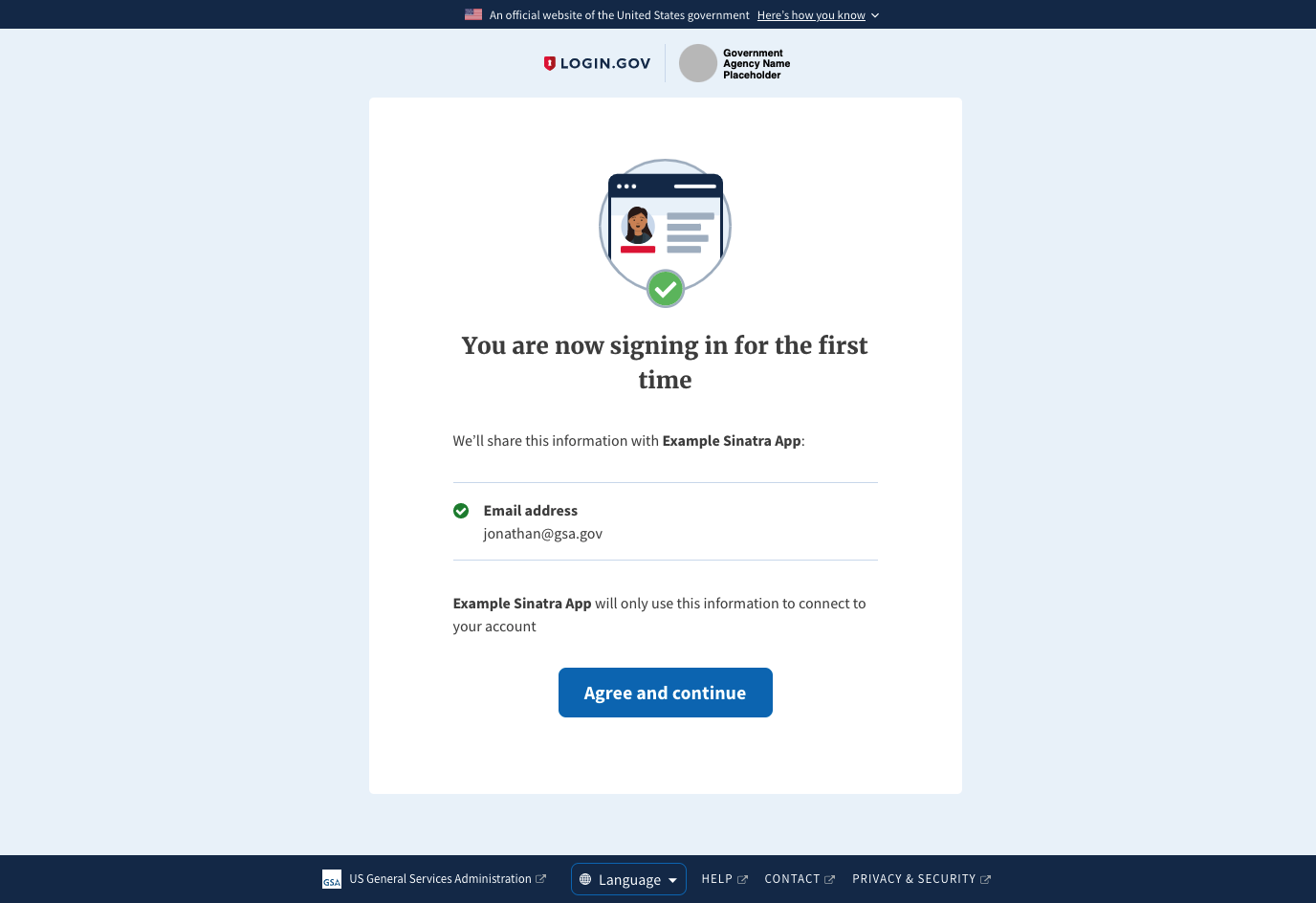
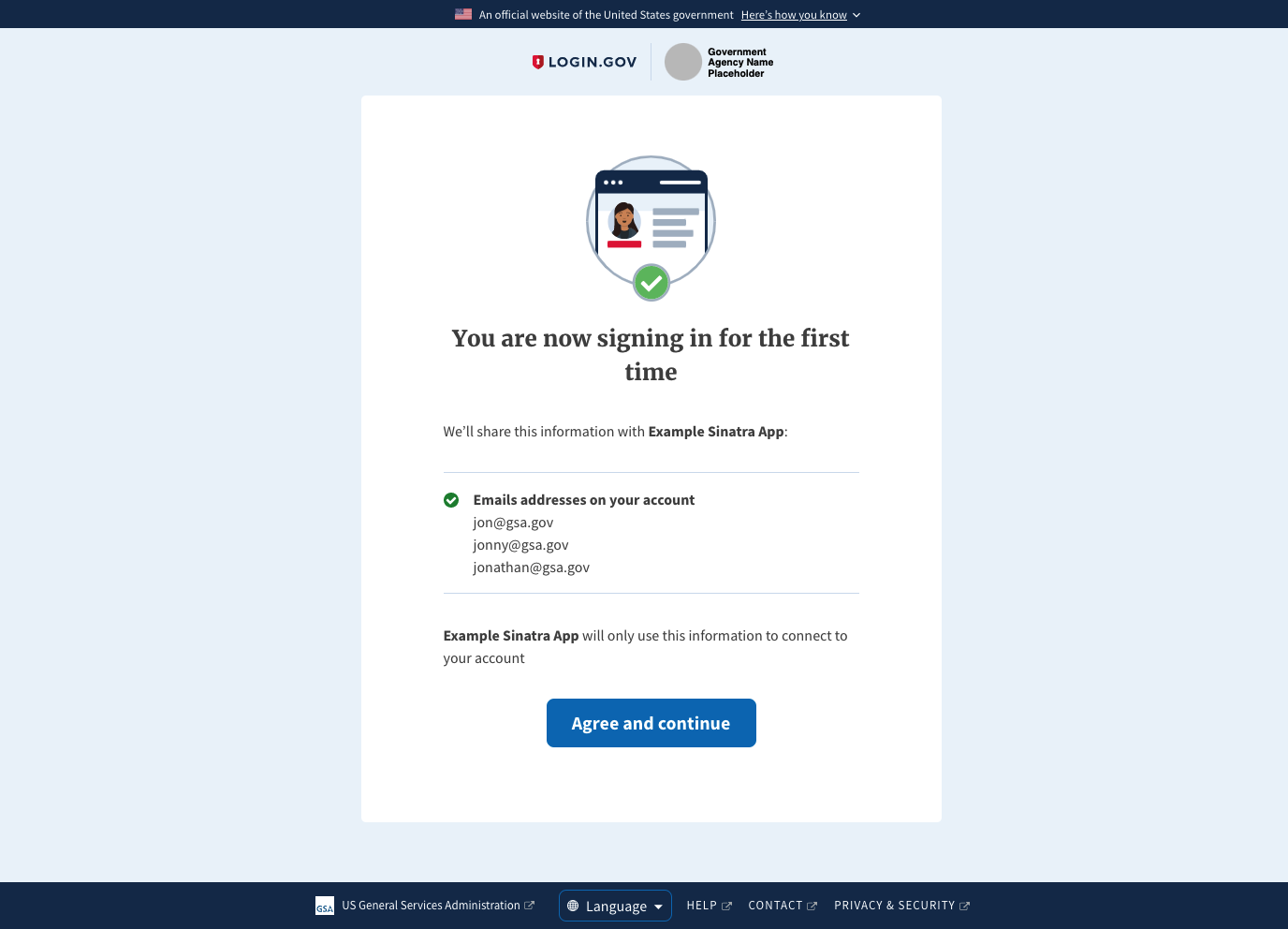
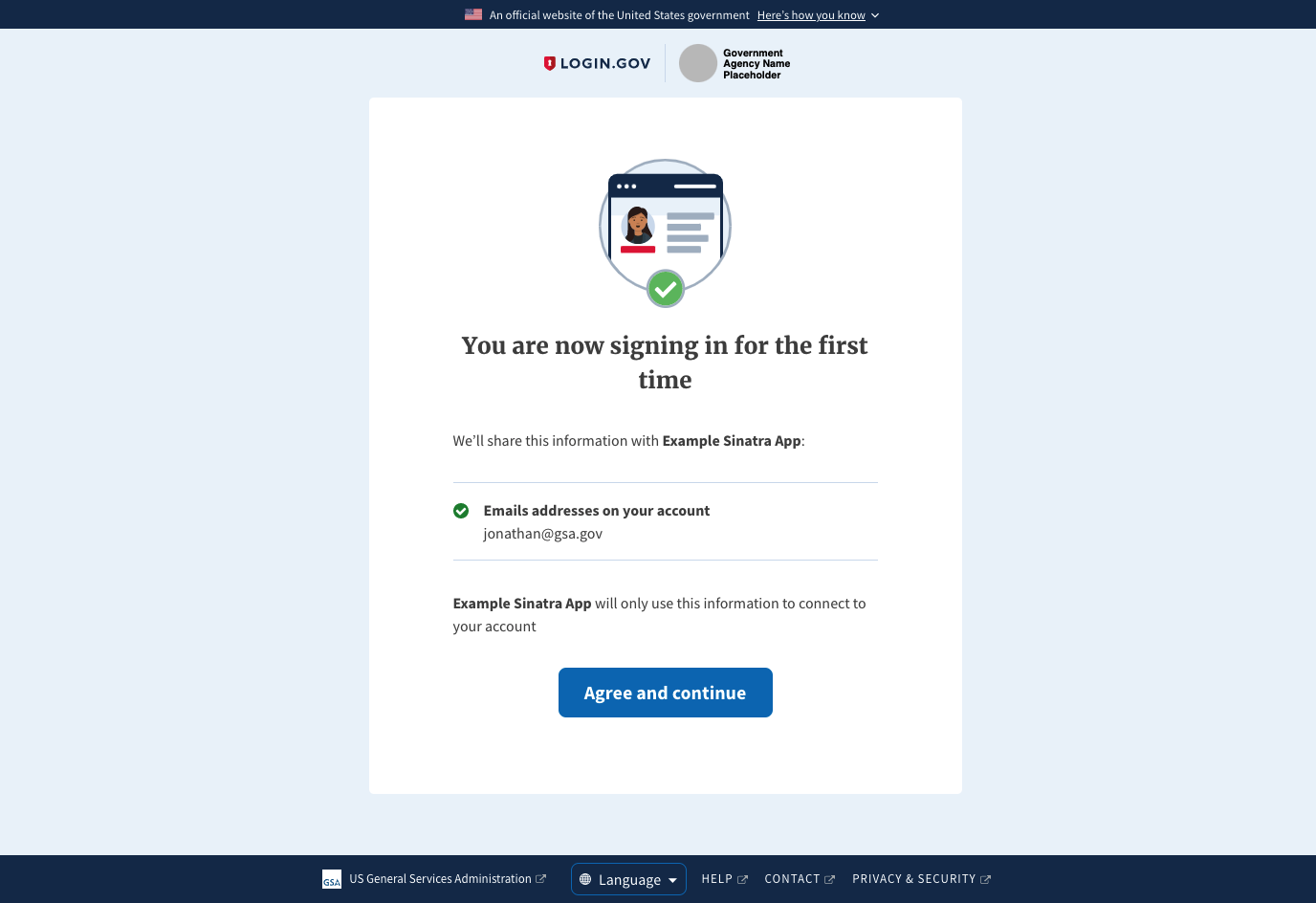

|
Just one typo: label should be |

|
|
||
| .success-bullets { | ||
| li { | ||
| .success-bullet { |

There was a problem hiding this comment.
We're also using this success-bullets class here, which hasn't been updated yet in this branch to apply the new class to its li children:
Note to self: We should consider moving to design system Icon List component.
Edit: Ticket at LG-5226.
There was a problem hiding this comment.
Yeah, the reason for renaming the class was to prevent it from apply the success bullets list styles to this list item.
There may be a better way to accomplish that, but I don't know what it is.
| ) | ||
| end | ||
|
|
||
| context 'the all_emails scope is requested' do |
There was a problem hiding this comment.
should/can we add a negative spec (ex bar@example is not shown when only single email scope is requested?)
|
@anniehirshman-gsa: Good catch on the typo. I fixed when I added translations @zachmargolis and @aduth: I added tests, translations, and some other finishing touches. PTAL and lmk what you think! |
 zachmargolis
left a comment
zachmargolis
left a comment
zachmargolis
left a comment
There was a problem hiding this comment.
LGTM! only gap is SAML but this seems good enough for now. Should we track with a JIRA?
4 participants


Why: So that if SPs have users with multiple email addresses, they can access those email addresses
This is a proposal for dealing with:
a.) A feature request from SPs to be able to see all of a user's email addresses
b.) A feature request from SPs to have a mechanism for selecting email addresses when a user signs in with a PIV (i.e. without an email)
Users with multiple email addresses will have the email addresses they did not use to sign in under an
alternate_emailsproperty. Users with only one email address will have an empty array there:Additionally, I updated the consent screen to demonstrate that all of the user's email addresses are being shared. We should likely make this change anyway given that we may share a user's alternate email with an SP if they use it to sign in: